first graf
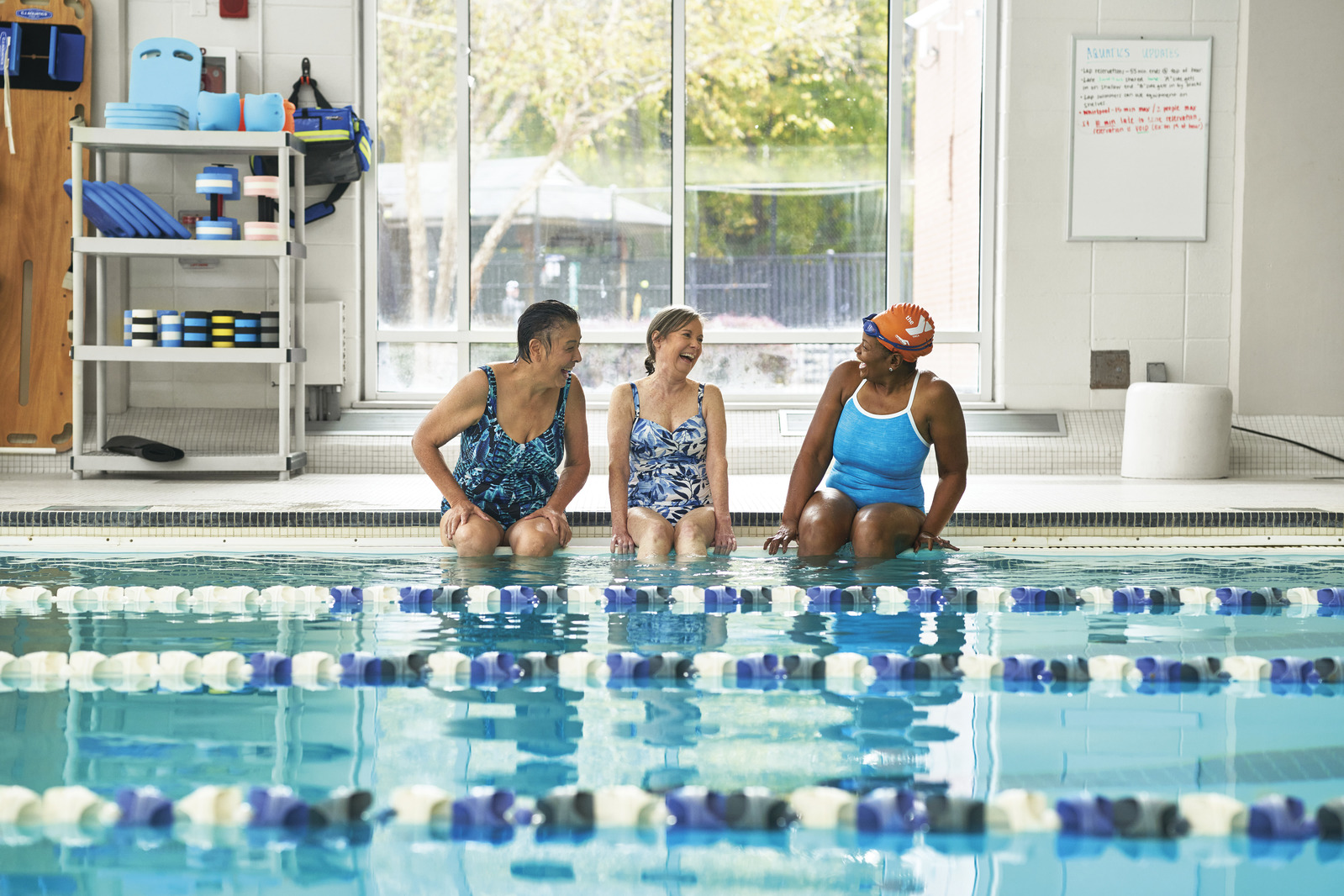
When we talk about healthy aging for older adults, we often focus on what older adults should do to maintain their health. Stay on top of health care appointments. Take medications on time. Stay active. Those things matter. But there’s another piece of the puzzle that deserves more attention: what the rest of us can do.
Research continues to show that loneliness and social isolation can negatively impact both physical and mental health in older adults. At the same time, meaningful social connections can help support cognitive health, emotional well-being, and overall quality of life.
The good news? You don't need specialized training or extraordinary resources to make a difference. Often, the most impactful actions are also the simplest.
Here are five ways you can help support the older adults in your life and community.
1. Reach Out Consistently to Stay Connected
A quick phone call. A coffee date. A walk around the neighborhood.
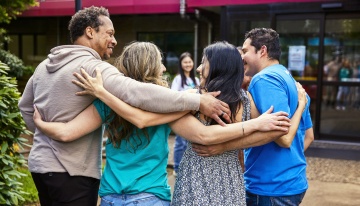
Regular connection helps us all feel valued, supported, and included. Consistency matters more than grand gestures. Even small interactions can help strengthen relationships and combat feelings of isolation.
2. Invite Older Adults to Social Activities
Many older adults may be interested in joining activities but hesitate to attend alone.
Invite them to join you for a group fitness class, community event, volunteer project, lunch outing, or neighborhood gathering. Sometimes the invitation itself is the encouragement someone needs to participate.
3. Create Opportunities for Purpose and Volunteering
Purpose is a powerful contributor to healthy aging.
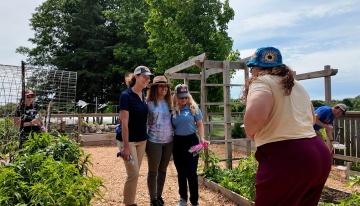
Volunteering, mentoring younger generations, sharing expertise, or participating in community projects allows individuals to continue contributing their talents and experiences in meaningful ways.
4. Build Intergenerational Connections
Some of the strongest relationships are built between people of different ages.
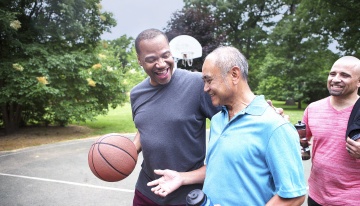
Whether it's a grandparent helping with homework, a retired professional mentoring a young adult, or families participating in community programs together, intergenerational relationships create learning, understanding, and connection for everyone involved.
5. Connect Older Adults to Community Programs
No one should have to navigate aging alone.
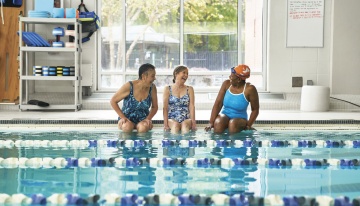
Community organizations, group fitness programs, educational opportunities, volunteer groups, and social activities can support the development of friendships and help individuals maintain active, engaged lifestyles.
Healthy Aging Starts With Connection
At the YMCA, we see every day how connection can transform lives. Older adults participate in group fitness classes, volunteer opportunities, educational programs, and social activities that help them stay active, engaged, and connected to others.
Healthy aging isn't solely the responsibility of one age group. It's something communities help support together.
When we reach out, extend an invitation, create opportunities for purpose, and build meaningful relationships, we help older adults thrive. In the process, we create stronger, healthier, and more connected communities for everyone.