paragraph 1
When people think about preventing chronic disease, they may picture getting health screenings, eating well, and moving more. These behaviors matter (a lot!) but in my work at the YMCA, I’ve seen something just as powerful: the impact of genuine social connection.
Chronic diseases remain the leading cause of death and disability in the United States, driven by prevalence of cardiovascular disease, diabetes, and cancer. These diseases are not only widespread, they are also deeply shaped by the conditions in which people live, work, and connect.
While we often focus on physical factors, there’s growing recognition that social isolation and loneliness are critical, and often overlooked, drivers of chronic disease risk.
Loneliness and isolation are real health risks. About 1 in 3 U.S. adults reports feeling lonely, and 1 in 4 lacks adequate social and emotional support. According to research, these experiences are linked to increased risk for heart disease, type 2 diabetes, depression, and even early death. On the other hand, adults who nurture strong social ties often experience lower stress, improved mental health, and a reduced risk of chronic illness.
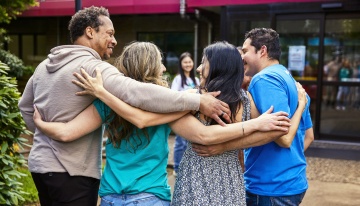
Connection, community, and shared experiences aren’t extras; they’re essential ingredients for a healthy life.
How Social Connection Supports Your Health
Social connection supports well-being in ways we may overlook:
-
It reduces stress. Supportive relationships buffer the effects of chronic stress, which can contribute to or exacerbate chronic disease.
-
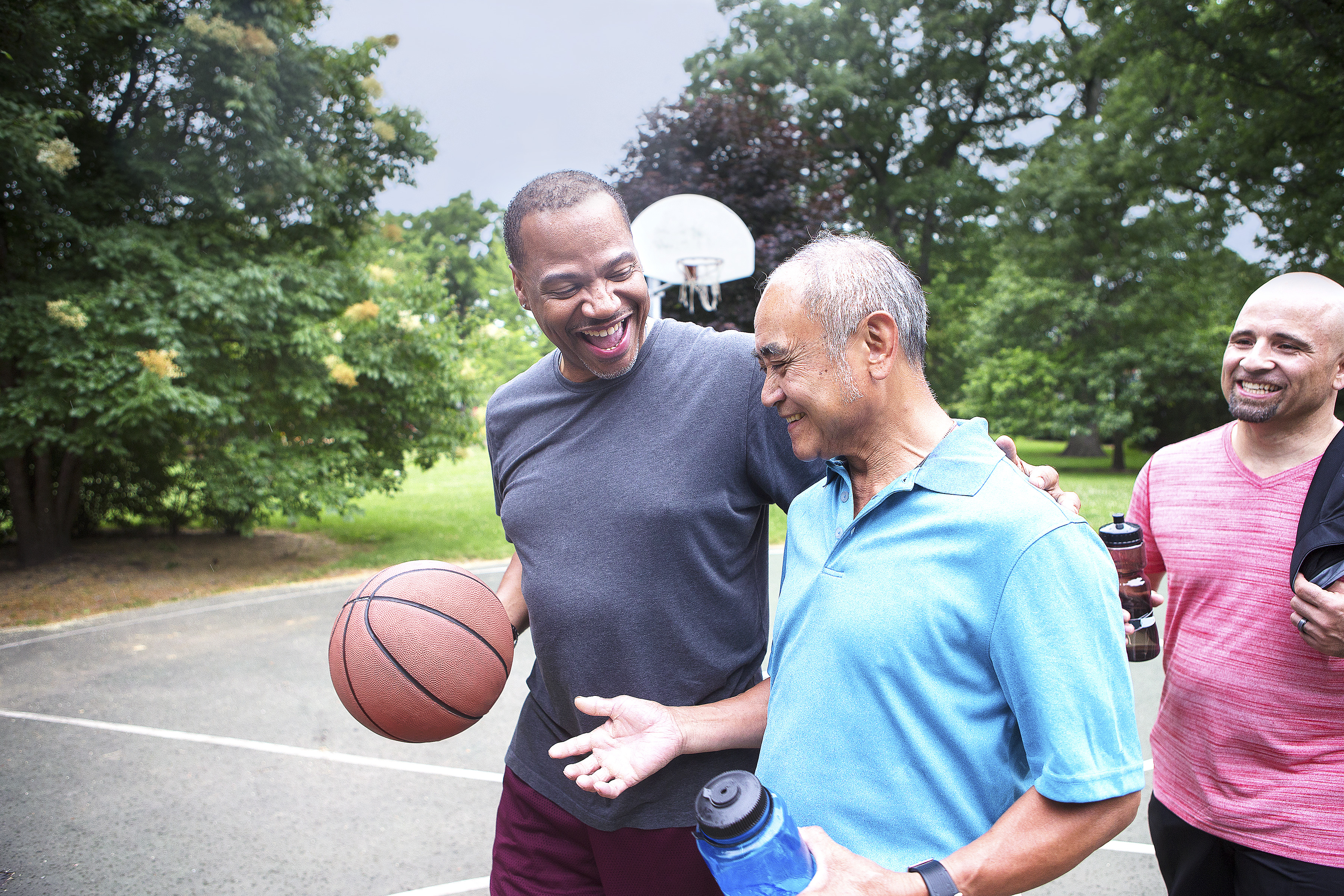
It encourages healthier habits. People who engage in group-based activities are more likely to stay active, eat well, and maintain routines.
-
It supports mental health. Regular interaction, through classes, volunteering, or social groups, reduces anxiety and depression.
The takeaway: Building meaningful relationships and participating in community activities can be an important part of supporting your overall health, alongside physical activity, healthy eating and preventive care.
In my personal life and through my experiences at the Y, I’ve been fortunate enough to watch these benefits unfold in countless lives, and it never stops inspiring me.
How to Build Stronger Social Connections
Any change can be overwhelming, so to strengthen your connections, consider starting small:
-
Join a group fitness class. It’s amazing how quickly friendships form when you move together.
-
Plug into community programs. Volunteering, clubs, and social groups help to facilitate meaningful contribution and to grow roots.
-
Try peer support or mentoring. Strengthen purpose and accountability by sharing knowledge and talents with others.
-
Reconnect with old friends. Even a small or simple moment like a phone call or quick coffee can nourish and raise spirits.
Every step toward connection helps.
How the Y Helps Build Social Connection
At the Y, we work to make connection possible by cultivating community partnerships, shaping environments, and inviting people into programs that braid physical health, mental wellbeing, and engagement. Whether it’s a cycling class, a mentoring program, or a community service project, the goals are the same: help people experience achievement, build relationships, and feel a genuine sense of belonging.
This work is especially important as communities address both the growing burden of chronic disease and the factors that shape health outcomes. Chronic disease is closely tied to social and environmental conditions, including whether people feel connected and supported.
And we see the results every day. When people feel connected and engage with their community, their mood improves, their patterns shift, and their sense of purpose gets stronger. Connection truly acts as a prescription for better health.
Find Connection and Community at the Y
Preventing chronic disease isn’t only about how we move or what we eat; it’s also about how we connect. Prioritize meaningful relationships, join group activities and programs, and explore ways to both support others and seek support. Your heart, mind, and body will thank you for it.
Frequently Asked Questions
What are the health benefits of social connection?
Strong social connections can support mental and physical well-being by reducing stress, encouraging healthy habits and providing emotional support and a sense of belonging.
Can loneliness affect your physical health?
Yes. Loneliness and social isolation are associated with increased risk for health problems including heart disease, type 2 diabetes, depression and premature death.
How can I become more socially connected?
Start with small, repeatable activities such as joining a group exercise class, volunteering, participating in a community program, reconnecting with friends or joining a peer support or mentoring group.
How can community involvement improve health?
Community involvement can create opportunities for relationships, physical activity, purpose and mutual support, all of which can contribute to overall well-being.
Where can I find opportunities to connect with others?
Local YMCAs offer group activities, volunteer opportunities, health and wellness programs and other ways to connect with people in your community.