
main body
Staffing shortages are everywhere right now. It’s hard to turn on the news without seeing the headlines. At the YMCA, we’ve faced the same challenge. But here’s what I’ve learned: the solution isn’t always hiring more teens or young adults. Sometimes, it’s about thinking differently about who can step in and make a difference.
Across Ys in communities large and small, I’ve seen retirees, career-changers, and parents looking for flexible schedules step into critical roles. And honestly, the impact has been incredible.
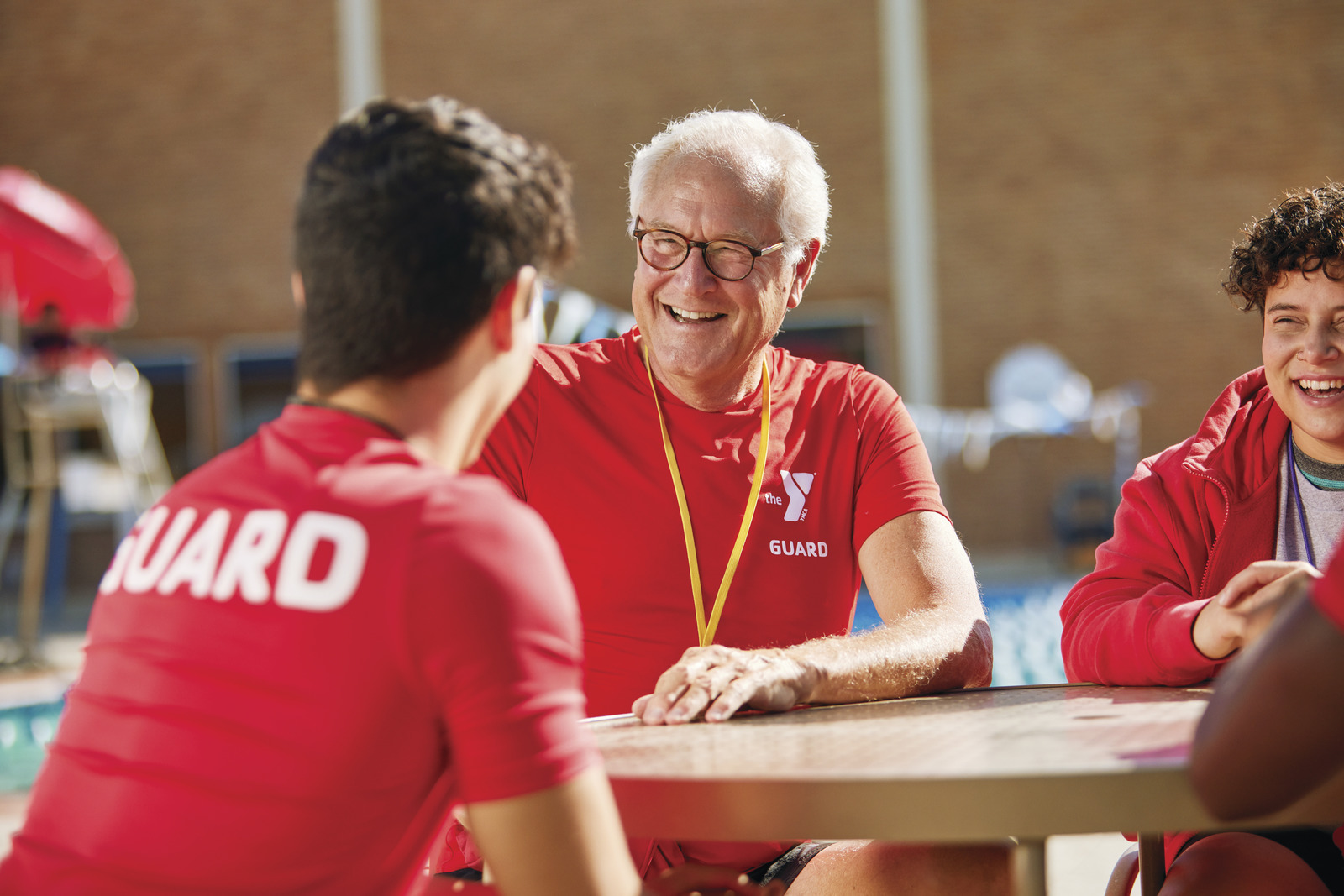 Retirees: Experience in Action
Some retirees are swapping golf clubs for lifeguard whistles, and their presence is keeping pools open and kids safe. I’ve watched retirees calmly handle tricky situations that might rattle younger staff. Their decades of professional and life experience bring reliability, mentorship, and a sense of calm under pressure.
One retiree I worked with recently told me, “I just want to help kids feel safe and confident.” That’s exactly what they do. And in doing so, they’re teaching our younger staff lessons in patience, teamwork, and confidence that last far beyond any single shift.
Parents and Career-Changers: Flexibility Meets Fresh Ideas
Parents and caregivers are finding roles that fit around family schedules, while people switching careers bring energy, creativity, and new perspectives to our programs. I’ve seen a parent run a summer camp activity with the same passion as someone just starting their first job, and a career-changer take a new approach to swim lessons that immediately resonated with kids.
For these individuals, flexible, mission-driven work gives them the chance to contribute in ways that truly matter. And at the same time, it strengthens our programs for kids. I can’t tell you how inspiring it is to see them in action.
Building Stronger Communities Together
The benefits go far beyond filling a staffing gap. Intergenerational workplaces foster mentorship, collaboration, and shared knowledge. Kids see role models of all ages, and younger staff gain insights they can’t learn in a textbook. Programs staffed by all age groups are safer, stronger, and more welcoming.
At the YMCA, this approach isn’t just a staffing strategy; it’s a way to build community. It ensures our programs remain high-quality and accessible while celebrating the talents of people who don’t fit the “traditional” employee mold.
Why It Matters
Nontraditional workers are helping Ys across the country keep programs running, strengthen communities, and enrich the lives of both children and staff. From retirees to parents to second-career professionals, the message is clear: sometimes the best solution to staffing challenges is expanding our definition of who can contribute.
At the YMCA, everyone has something to offer. I’ve seen it firsthand, and it’s transformed the way we serve our communities. Every program deserves the best people to make it thrive, and when we embrace talent from all walks of life, that’s exactly what happens.
